STONES
Gem varieties and ornamental stones, each linked to the minerals they are made of.
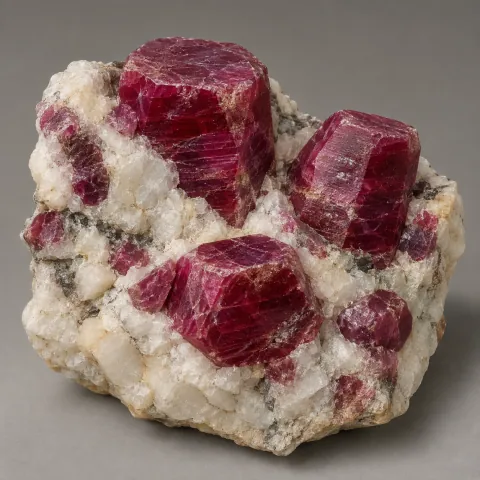
The red gem variety of corundum, coloured principally by chromium.
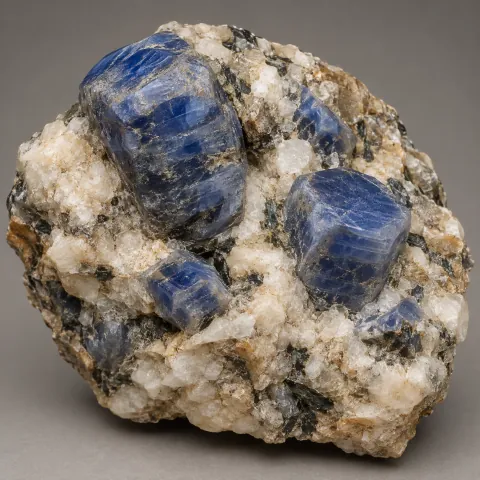
Gem corundum other than ruby; blue is the best-known colour, while other colours are called fancy sapphire.
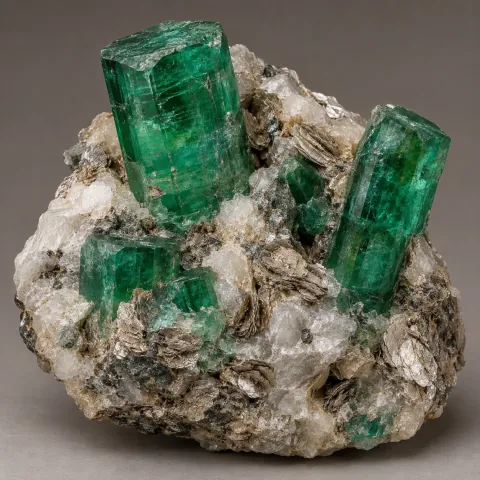
The green to bluish-green gem variety of beryl, coloured mainly by chromium, vanadium, or both.
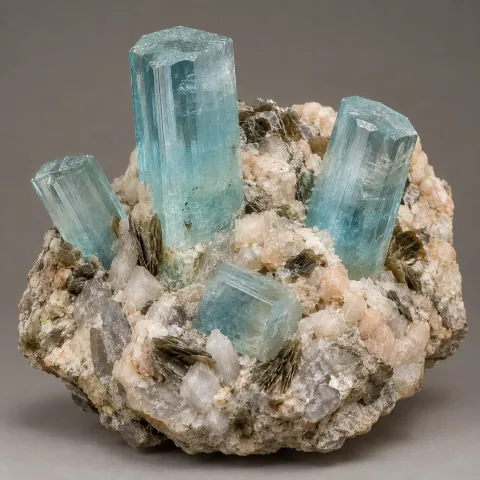
The green-blue to blue gem variety of beryl, with colour related to iron.
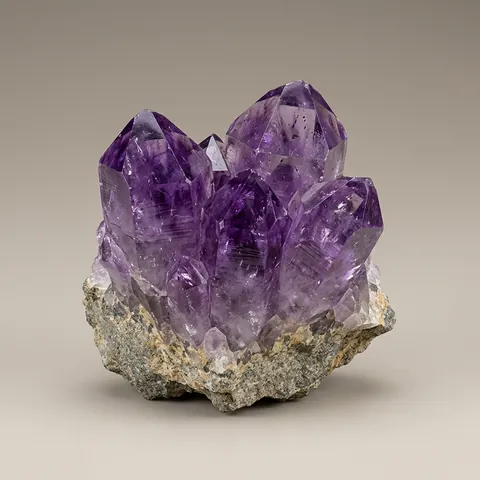
The purple gem variety of quartz; its colour involves iron-related centres and natural irradiation.
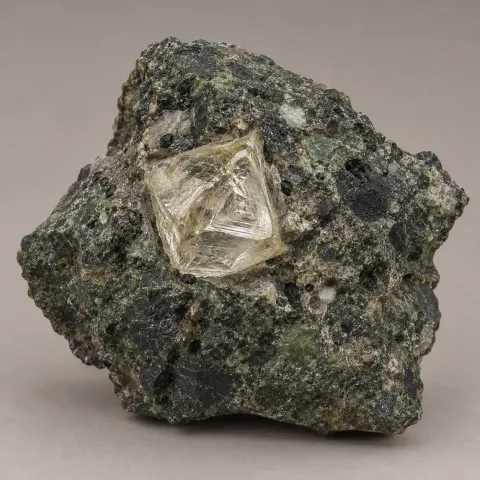
Gem-quality diamond is crystalline carbon; colourless material is best known, but natural fancy colours also occur.
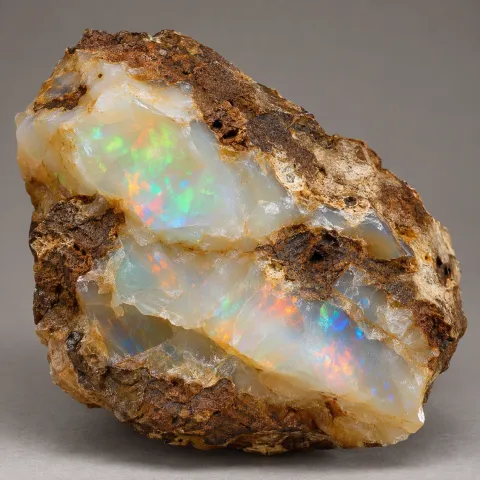
Opal whose ordered silica structure produces play-of-colour through diffraction.
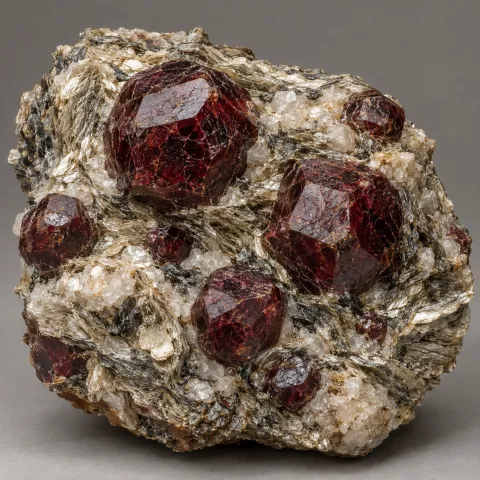
A gemstone family spanning several garnet species and colours rather than one composition.
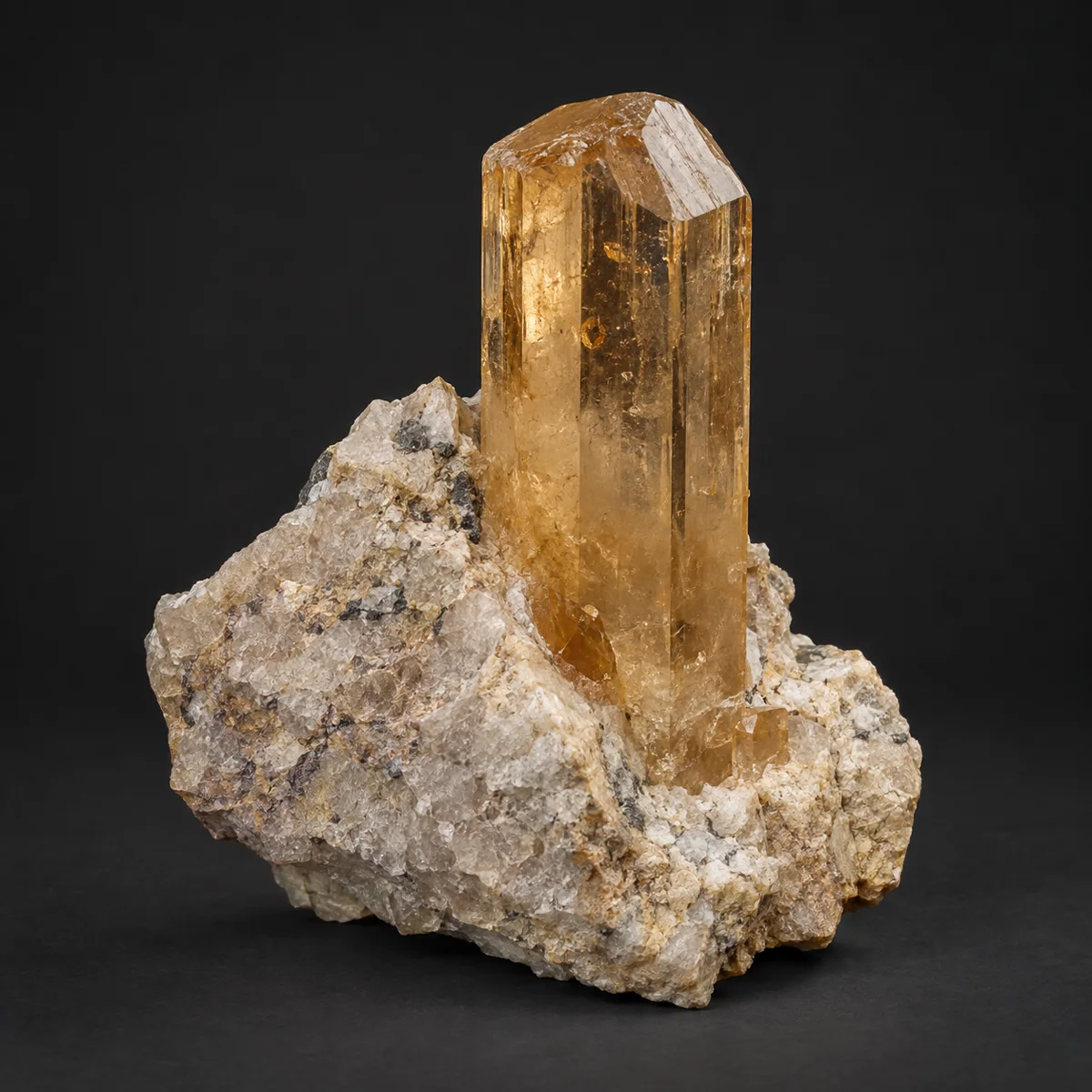
Transparent topaz used as a gem; natural and treated material occurs in several colours.
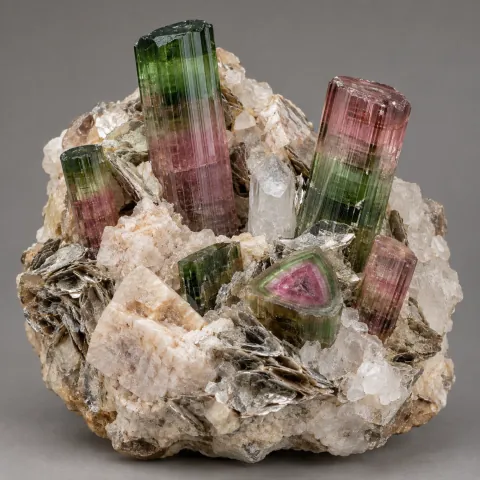
A gemstone family drawn from several species of the tourmaline supergroup and noted for exceptional colour diversity.
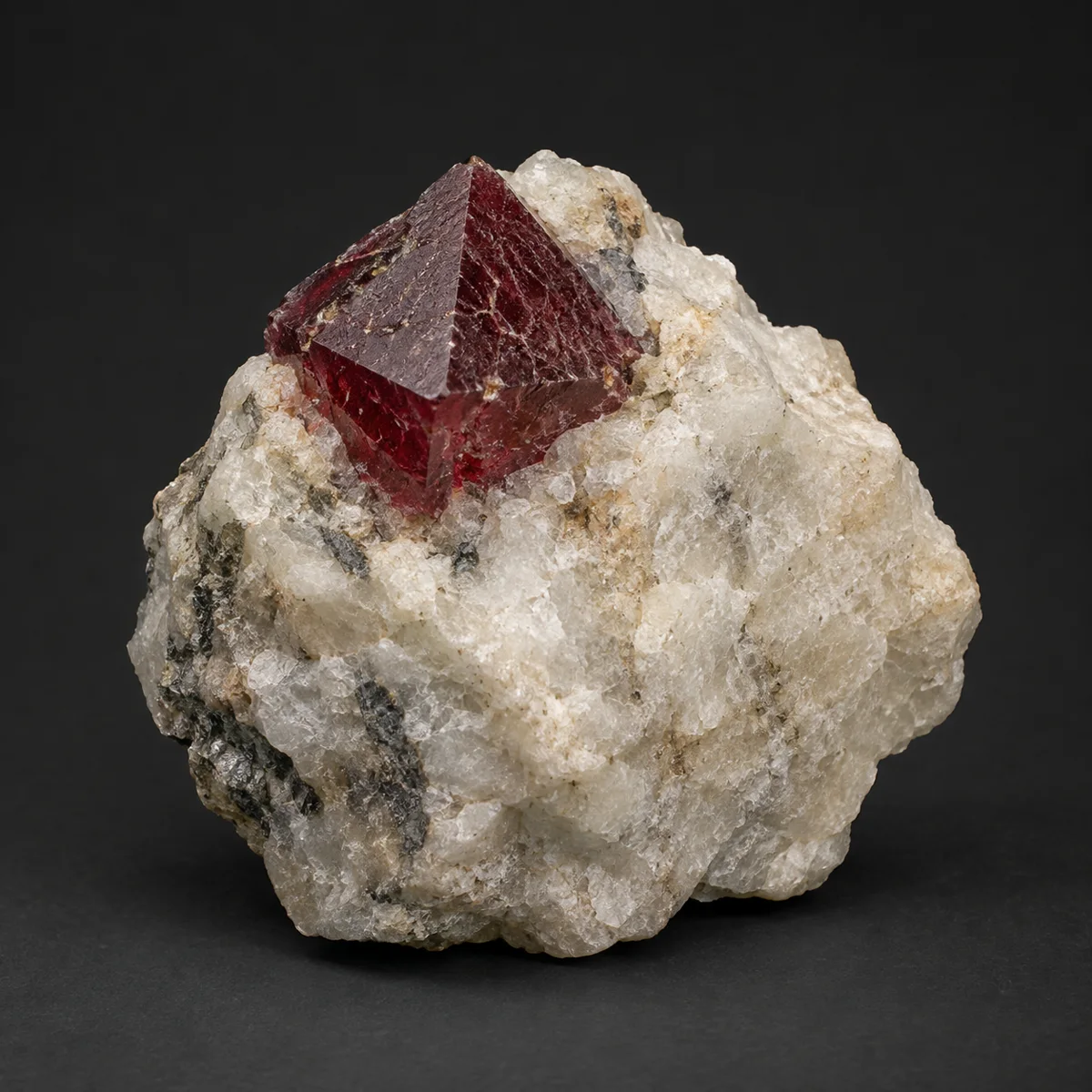
Transparent gem spinel; its red is caused by chromium, the same trace element that colours ruby.
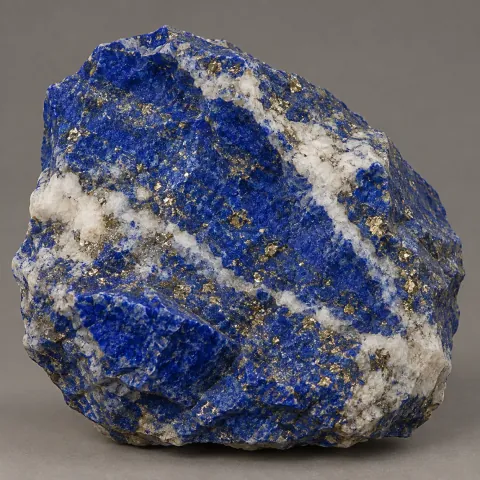
A rock rather than a single mineral: an aggregate mainly of lazurite, calcite and pyrite, prized for its deep blue.
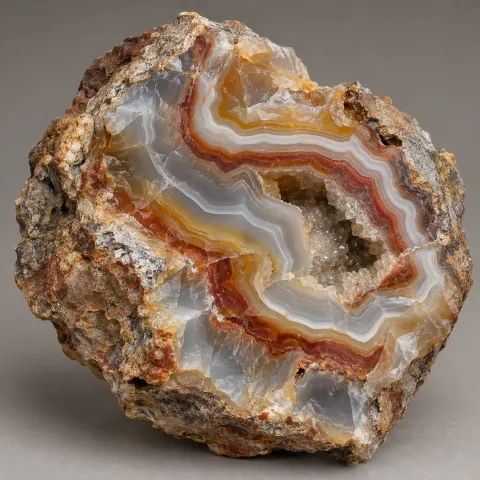
A translucent, usually banded variety of microcrystalline quartz, used as a semiprecious stone and in carvings.
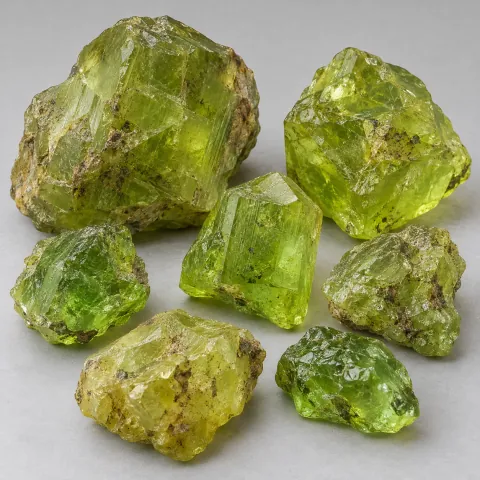
The green, gem-quality variety of olivine. Peridot belongs to the forsterite–fayalite series, and most peridot lies close to its magnesium-rich forsterite end.